
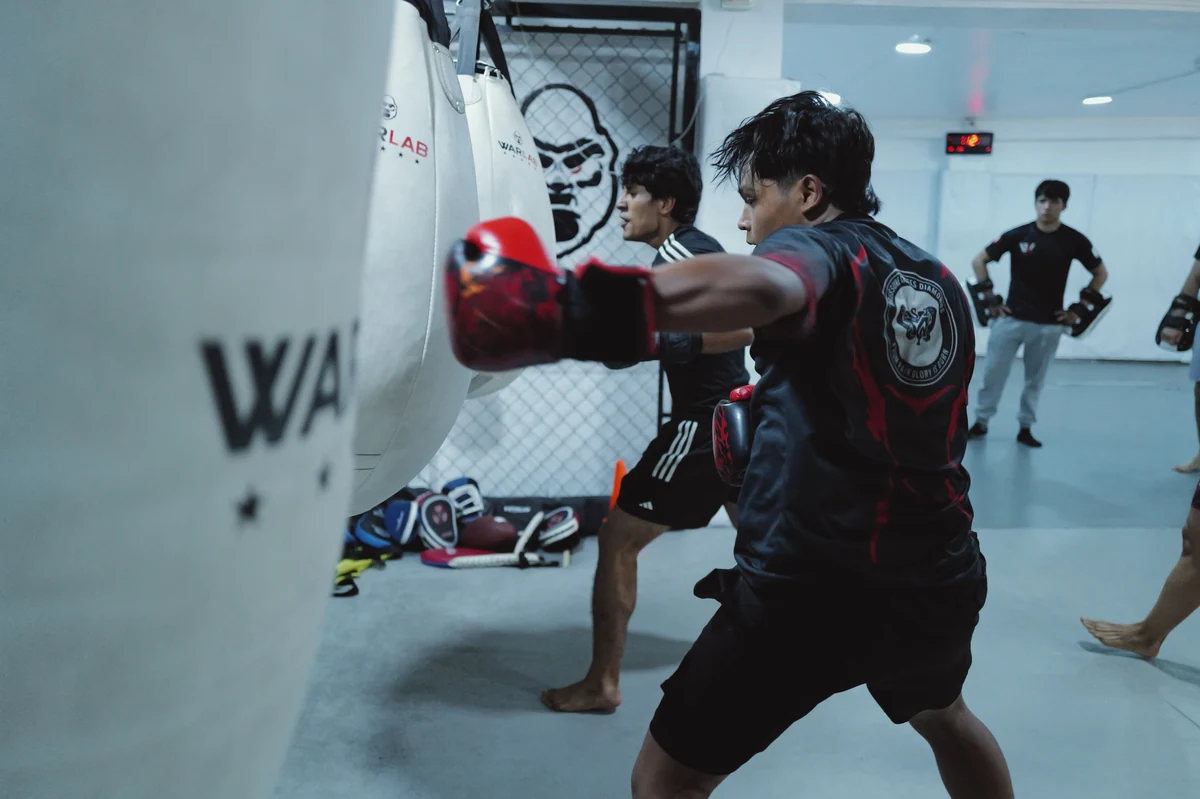
Your members track their runs, their sleep and their daily steps. Yet after an hour of boxing, most of them leave with little more than a feeling of how the session went.
They know they worked hard. What’s harder to answer is whether they’re improving, and what to focus on next.
For boxing gyms and combat sports clubs, boxing performance analysis is a way to answer that. It doesn’t change what makes training valuable. It helps coaches and members see more of what is already happening.
Progress is easy to see at first, then it disappears
In the first few months, improvement is obvious. Members get fitter, combinations feel natural and confidence grows.
Then it gets quieter. Better consistency, a tighter guard, more output in the last round: these changes matter, but nobody feels them. A member can be improving every week and still ask: am I actually getting better?
That’s often the moment they start thinking about leaving.
Performance data gives a clear answer. Comparing recorded sessions gives the member and the coach something concrete to look at, instead of relying on memory.
Technology should fit the training, not interrupt it
Coaches are managing groups, correcting technique and keeping sessions moving. Members come to train, not to scroll through an app.
So the setup has to be simple: a phone filming a bag round, and the analysis comes out after the round.
Take one member on a 3-minute bag round. [For example: 38 punches per minute in round one, 29 in round three, with the guard coming back more slowly after each punch as he tires. Six weeks later, round three is at 35, and his guard holds.]
The numbers give the context. The coach explains what matters. A busier round isn’t automatically a better one: it can mean better conditioning or a loss of control. That call still needs a coach.
What performance data brings to a club
- More personal feedback. Coaches have specific moments to discuss, and a clear basis for each member’s next priority.
- Visible progress. Members can compare today’s round with last month’s and see changes they would never have noticed.
- A reason to keep coming back. When people can see they’re improving, training feels more purposeful.
- A coaching offer that stands out. Measurable development is easy to explain to new and existing members, and hard for the gym down the street to copy.
None of this happens just because a camera is installed. It works when it supports a conversation between a coach and a member.
Start with one clear use case
You don’t need to redesign your programme. Start small:
- Pick one activity. A recorded bag round is the easiest.
- Define the question. What do you want this member to improve?
- Record comparable sessions. Same setup, same drill, so the comparison means something.
- Add a two-minute review. Turn what you see into one training priority.
- Check after a month. Do members understand their progress better? Does it fit the coach’s workflow?
The goal isn’t to collect as much data as possible. It’s to find the information that leads to a better decision.
Better information, with coaches at the centre
Combat sports coaching is built on experience, observation and trust. Performance analysis should strengthen that, never claim to replace it.
Used well, it gives coaches a second pair of eyes and gives athletes a clear picture of how they’re developing.
SPARO turns standard training video into technique and performance insights for combat sports coaches and clubs, with no sensors or wearables.
Want to see what one of your members’ rounds looks like?